24 September 2026: Did you know…? Community-led heritage language settings
Hot on the heels of Mon Partovi's thought-provoking blog last week about the importance of supplementary education for millions of British children, Steven Fawkes draws our attention to a guide to raise awareness prepared by the HHCL Advisory Group he co-chairs, and this summer's Special edition of ALL's 'Languages Today' magazine which focussed on the sector and different aspects of supplementary education. Must-reads for every educator in the UK.
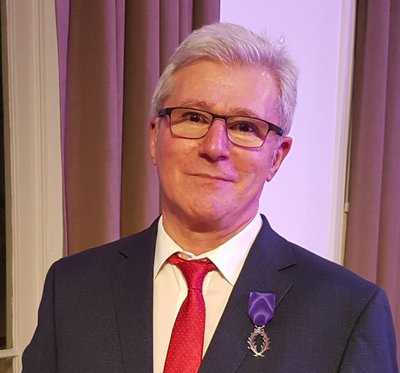
By Steven Fawkes, Trustee, ALL (The Association for Language Learning).
The YPF Trust (see TLG's previous blog, When colour comes back, written by YPF's Head of Programmes and Partnerships – Supplementary Education, Dr Mon Partovi) is an active partner in a collaborative group called HHCL which supports teachers of Home, Heritage and Community Languages.
Together we created the following document to let everyone know about the work of the schools called variously 'supplementary', 'complementary' or 'Saturday' schools, or 'out of school settings'.
We continue to strive to raise awareness of the great work of this sector and in 2026 ALL has published a Special edition of its magazine 'Languages Today' to share stories from HHCL teachers. The Special can be read online for free here or downloaded from this page.
Steven Fawkes on behalf of the HHCL Advisory Group, hosted by ALL and the British Council.
Nurturing a precious asset
- Community-led heritage language settings (also referred to as 'supplementary', 'complementary' or 'out-of-school') are settings often set up by parents / volunteers, to enable children to learn their 'home' language and culture, as well as other curriculum areas.
- The UK is a multilingual country with an estimated 300 languages spoken. Over 20% of children come from homes where another language is spoken. It is estimated that some 60 languages are being taught in over 3000 community-led settings attended by many thousands of children.
- Community-led heritage language settings cater for a very wide range of students across primary and secondary age ranges including some who have no background in the relevant language.
Feeling included, feeling valued
- Aiming to promote children's bi-/multilingual abilities, these schools make an important contribution to personal development and citizenship education.
- In the face of discrimination commonly experienced by bi-/multilingual learners in their everyday lives community-led heritage language settings provide a safe space for children to feel proud of a multilingual-multicultural identity and to feel part of British society.
Productive partnerships
- These settings operate at weekends often on the premises of mainstream schools, or in libraries, embassies or religious centres. Where there is collaboration between mainstream schools and community-led heritage language settings this has been found to have multiple benefits for both partners.
- Communication and involvement of parents / carers is strong; this includes requests to support them with advice on issues that can arise in the mainstream school.
Facing challenges
- Funded largely by fees paid by parents / carers / volunteers, they often struggle financially. This is partly due to the high cost of hiring premises and the decline in support from local authorities.
- There is little recognition of the important work taking place in community-led heritage settings and many people, including mainstream educators, are unaware of their existence.
Ensuring quality
- Great importance is attached to children's welfare in community led settings and local authority safeguarding training supports this.
- Although some teachers working in these settings may lack British qualifications, many are highly qualified and keen to take advantage of professional development opportunities.
Find out more
- YPF Trust - centre for supplementary education supports community-led settings with their Quality Mark Award and capacity building programmes, such as the Creative Teaching and Learning Project and Children's Rights programme, helping them raise their profile and enhance their impact.
https://ypftrust.org.uk/ - The HHCL Advisory Group supports heritage language education in the UK by providing information and free professional development sessions for teachers:
https://www.all-languages.org.uk/research-practice/language-zones/home-heritage-community-languages/