17 September 2026: When colour comes back
The incredible work of supplementary schools in supporting our young people's multilingualism deserves to be recognised. In this piece, Mon Partovi reflects on a groundbreaking exhibition held in Kensington this summer during the London Festival of Languages, which celebrated decades of achievement and community impact of the borough's supplementary schools.
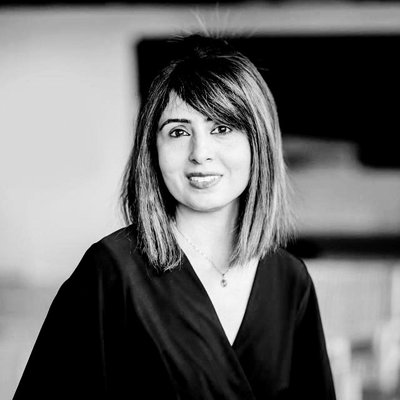
By Dr Mon Partovi, Head of Programmes and Partnerships – Supplementary Education, YPF Trust
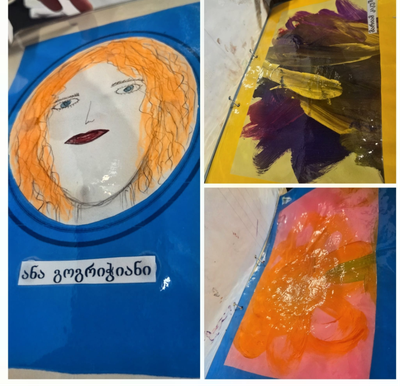
Some moments in an exhibition stay with you long after you leave. For me, it was the children’s drawings.
I was told that some Georgian children who had come to England after the war had stopped using colour in their drawings. Then, slowly, after attending their supplementary school, colour began to return — a flower, a face, a bright background.
It was a quiet but powerful sign of healing.
“Language and identity are so important.”
That message sat at the heart of the Supplementary Schools Archive Project exhibition. Through photographs, stories, memories, children’s drawings, handwritten documents, exercise books, awards and community voices, the exhibition showed that supplementary schools are about far more than weekend lessons. They are about belonging, culture, confidence and giving children a place where they can feel proud of who they are.
For generations, supplementary schools have been a vital part of North Kensington.
Often operating at weekends in community spaces, classrooms and borrowed rooms, they have supported children and young people through language learning, education, creativity, family connections and cultural identity. Their work has enriched children’s lives while strengthening families and the wider community.
For many of the settings involved, building an archive was like opening a family album. Old photographs brought back memories of children who are now adults, students who have become teachers, and small beginnings that have grown into strong community spaces.
One person described the process as “bringing memories to life again.” Another reflected on the power of seeing “how far they have come.”
Behind these memories is another story: the quiet commitment that keeps supplementary schools alive.
Much of this work happens at weekends, after long working weeks, in spaces made warm through care rather than resources. Volunteers give their time — often unpaid and often unseen — to prepare lessons, support families, organise trips, run activities, help with exams and create safe spaces for children and young people.
This work is often underserved and unrecognised. Yet its impact is clear. Supplementary schools support children with language, education, confidence, creativity, friendship and identity. They also support parents and families, offering a sense of community that many describe simply as “family.”
As one speaker said, “It’s not just a supplementary school; it is history.”
That history deserves to be seen.
The exhibition made visible the work that usually happens quietly in the background: the planning, the care, the emotional support and the belief that every child deserves a place to belong. It showed that these community-led education settings are not only teaching children. They are helping to hold communities together.
At a time when many communities feel overlooked, these archives offer a different story — one of resilience, pride and connection. They remind us that culture is not preserved by accident. It is preserved by people who keep showing up, often unpaid and often unseen, because they believe the next generation deserves to know where they come from.
The exhibition gave visitors the chance to see the full picture: not only the photographs on the wall, but also the years of commitment behind them.
Epilogue: London: City of Languages
The Supplementary Schools Archive Project exhibition was proud to be part of the London Festival of Languages 2026, celebrating the more than 300 languages spoken across the capital, and organised by London: City of Languages which champions the languages used across our communities, schools, colleges, universities, workplaces and cultural institutions.
Language is a really important part of the fabric of our capital city. A magnet for people moving here ever since its foundation by the Ancient Romans, the city has always been diverse, vibrant and international. London is famous for its leading universities, embassies and cultural institutes which provide a great deal of multilingual richness at a formal level. London pupils study languages in schools at much higher rates than nationally, too.
Millions of Londoners share languages, cultures and heritage that meet, mix and interact every day. Recognising and valuing these languages — and the histories, knowledge and cultures held within them — adds immensely to London’s cultural richness and strengthens its identity as a truly global city.
But possibly even more important is to recognise the huge diversity of languages spoken in our families, communities and civil society and what this means for Londoners and the capital at large.
This is why the work of supplementary schools matters so deeply. They do not simply preserve language. They preserve stories, relationships, memories and a sense of belonging.
With thanks to Westway Trust and the participating supplementary schools and community projects: Azza Supplementary School, Al-Hidaya School, Baraka London, Dalgarno Supplementary School, Eritrean Parents and Children’s Association, Gheez Rite Supplementary School, MCWG Youth, Pimento Community Project, Al-Amana Supplementary School and The First Georgian Supplementary School.
Thanks also to John Lyon’s Charity, Young K&C for funding RBKC supplementary education programmes.
When communities are given space to tell their own stories, those stories do not stay on the wall. They stay in people’s hearts.
To stay in touch with the YPF Trust and find out more about its work supporting supplementary education, visit: https://ypftrust.org.uk/about-us
To stay in touch with London: City of Languages and support its activities, visit: https://londoncityoflanguages.org.uk/
Read more (includes photos and a short Youtube video) in this post by West Way Trust: https://www.westway.org/whats-on/latest-news/celebrating-the-history-and-impact-of-supplementary-schools/?mc_cid=9460383f74&mc_eid=95b4eb3bb6